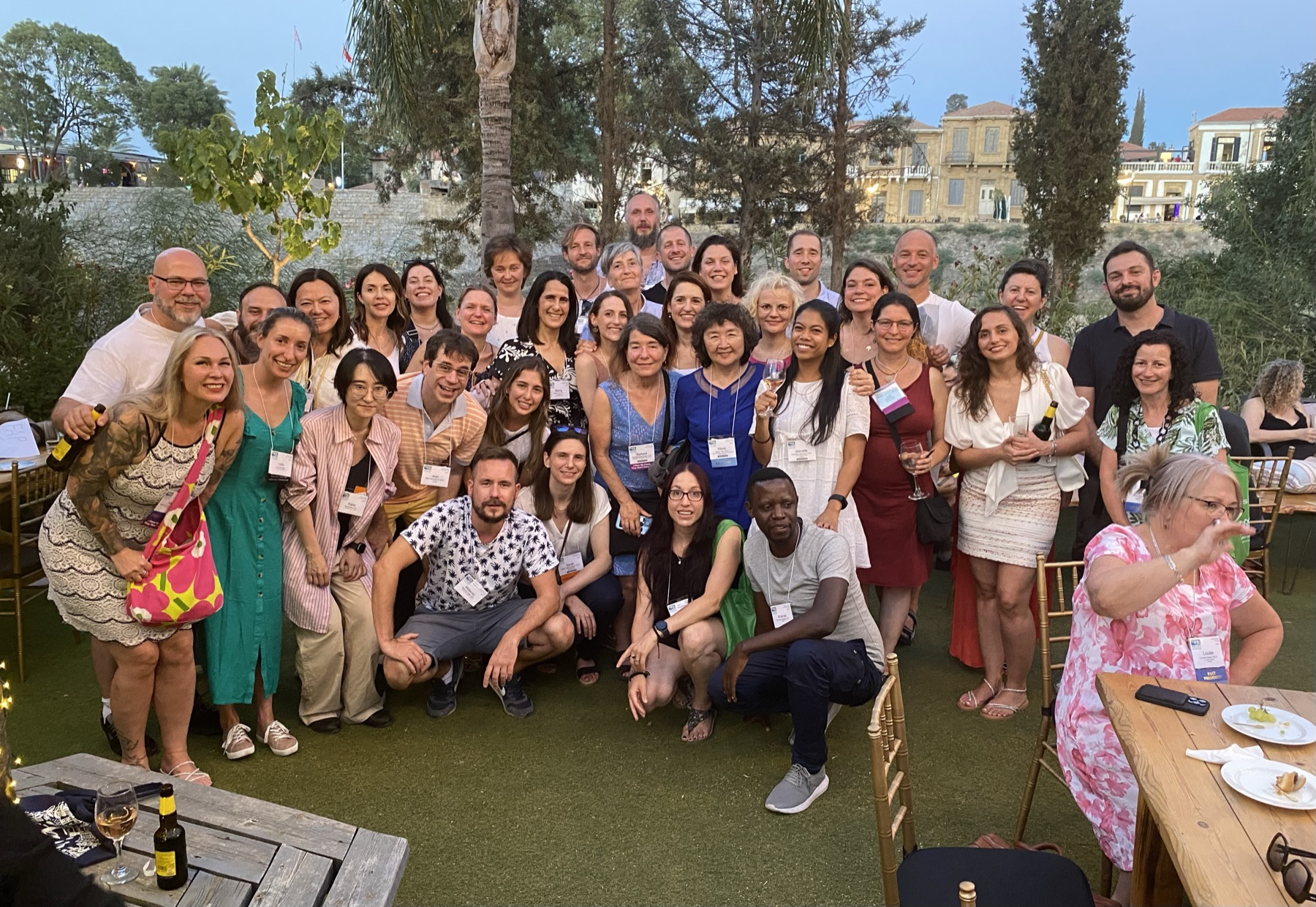
Functional Analytic Psychotherapy (FAP), the scientific foundation of ACL™, was developed in the early 1980s by Dr. Robert Kohlenberg and Dr. Mavis Tsai at the University of Washington. FAP advanced behavioral science by demonstrating that meaningful change occurs not only through clinical techniques, but through the quality of the therapeutic relationship itself. By helping clients notice patterns as they arise in real time and responding with authenticity, courage, and care, FAP therapists transform moments of connection into opportunities for growth.
Research
From the science of connection to the practice of relational health
Rooted in more than 35 years of research and practice in Functional Analytic Psychotherapy, the Awareness, Courage & Love™ (ACL™) model brings the science of connection into everyday life through practical skills that foster belonging, relational health, and well-being.
The foundation
The science behind ACL
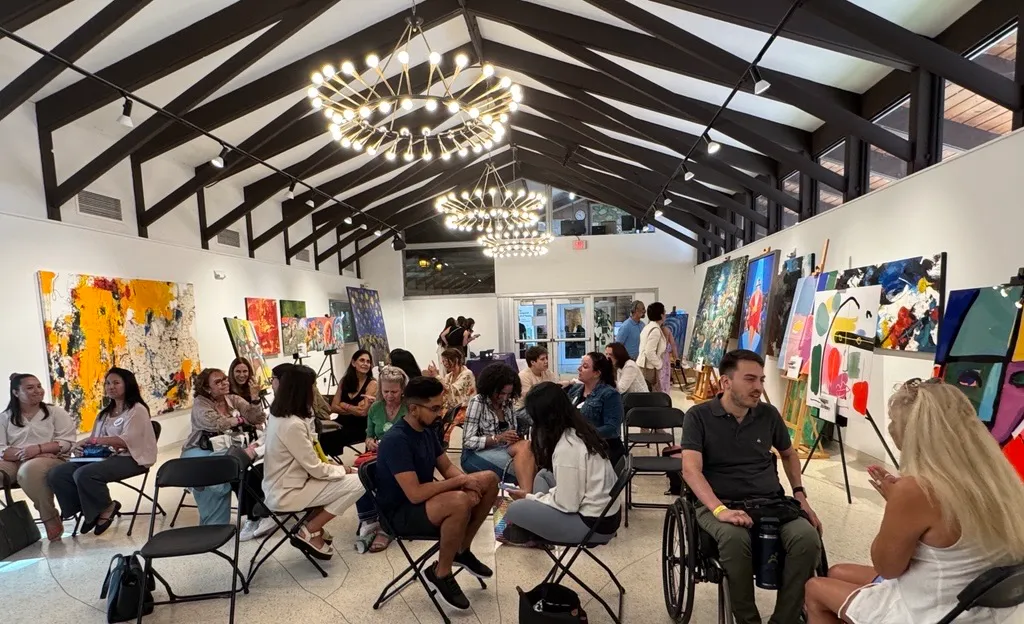
ACL™ extends these principles beyond psychotherapy. Distilling FAP's core processes into the accessible practices of Awareness, Courage, and Love, ACL™ brings the science and practice of relational healing into everyday life. FAP's effectiveness has been supported by decades of research and clinical application, and ACL™ continues this commitment through ongoing studies examining its impact on connection, belonging, and well-being across diverse communities.
“Each interaction is an invitation — to reflect what is special and precious, to heal a wound, to co-create closeness, possibilities, and magic.”
Outcomes
Research and evidence of impact
85%
of participants felt more or much more connected to others after one ACL practice than they do in daily life.
88%
of participants felt more connected to themselves after one ACL session.
69+
countries represented among ACL™ participants and community members worldwide.
Outcomes are drawn from feedback provided by 1,148 participants across 80+ ACL™ meetings in 2025. ACL™ is also supported by a growing body of pilot and randomized controlled research.
Beyond therapy
Evidence of impact for Awareness, Courage & Love™
Research on ACL™ suggests that relational skills can be intentionally cultivated to strengthen connection, belonging, and well-being. Grounded in more than 35 years of research in Functional Analytic Psychotherapy (FAP), ACL™ is supported by a growing body of pilot and randomized studies exploring how these practices translate beyond traditional therapy settings.
Studies have found positive outcomes including
- Greater social connection and relational closeness
- Increased belonging and authentic connection
- Improved self-compassion and emotional openness
- Enhanced relationship quality
- Greater psychological flexibility
- Reductions in depressive symptoms
- Feasibility across diverse populations and settings
- More reported connection in both in-person and digital formats
Research has included
- College students
- Couples
- Older adults
- LGBTQ+ adults
- Parents of autistic and other neurodivergent children
- Adults experiencing depressive symptoms
- Adults with adverse childhood experiences
- Participants engaging in structured digital conversations
Why this matters
Loneliness and social isolation are increasingly recognized as major public health challenges. ACL™ translates decades of psychological science into practical relational skills that people can learn, practice, and share in everyday life — helping individuals, relationships, and communities become more connected, resilient, and fully alive.
Early research highlights
Social connection
Participants reported stronger feelings of connection, belonging, and relational closeness.
Self-compassion
Participants reported becoming kinder and more accepting toward themselves.
Emotional openness
Individuals became more willing to share authentically and engage vulnerably.
Depressive symptoms
Participants reported reductions in depressive symptoms alongside increased connection.
Across multiple populations — results have been observed among students, couples, older adults, and community participants.
Selected publications
References
These publications represent a sample of the research and foundational writings contributing to the growing evidence base for ACL™ and its FAP foundation.
- Chan, S. C. Y., Huang, Q. L., Tsang, A. P. L., Ho, W. S., Chan, R., Yeung, C., Wong, S., & Tsai, M. (2025). Online single-session intervention to foster connection in older adults: A pilot trial. Research on Social Work Practice, 1–12. doi.org/10.1177/10497315251404932
- Haworth, K., Kanter, J., Tsai, M., Kuczynski, A., Rae, J., & Kohlenberg, R. J. (2015). Reinforcement matters: A preliminary, laboratory-based component-process analysis of Functional Analytic Psychotherapy’s model of social connection. Journal of Contextual Behavioral Science, 4(4), 281–291. doi.org/10.1016/j.jcbs.2015.08.003
- Kanter, J., Kuczynski, A., Tsai, M., & Kohlenberg, R. J. (2018). A brief contextual behavioral intervention to improve relationships: A randomized trial. Journal of Contextual Behavioral Science, 10, 75–84. doi.org/10.1016/j.jcbs.2018.09.001
- Kohlenberg, R. J., & Tsai, M. (1991). Functional Analytic Psychotherapy: A guide for creating intense and curative therapeutic relationships. New York: Plenum.
- López-Pinar, C., Galán-Doña, D., Tsai, M., & Macías, J. (2025). Meta-analysis of randomized controlled trials and single-case designs on the efficacy of Functional Analytic Psychotherapy. Clinical Psychology: Science and Practice, 32(1), 26–45. doi.org/10.1037/cps0000221
- Maitland, D. W. M., Kanter, J. W., Manbeck, K., & Kuczynski, A. M. (2017). Relationship science informed clinically relevant behaviors in Functional Analytic Psychotherapy: The Awareness, Courage, and Love model. Journal of Contextual Behavioral Science, 6(4), 347–359. doi.org/10.1016/j.jcbs.2017.07.002
- Maitland, D. W. M., Hardebeck, E., Pedersen, K., Moore, E., Wahl, L., Truitt, J. K., & Tsai, M. (2026). Using Functional Analytic Psychotherapy’s awareness, courage, and love model to generate open-heartedness towards others: A pilot randomized controlled trial. International Journal of Psychology and Psychological Therapy.
- Stidhams, S. M., Pedersen, K. M., Mattingly, L. C., Barsy, A. H., & Tsai, M. (2026). “Hope restored”: An Awareness, Courage, and Love (ACL) mixed-methods pilot intervention for LGBTQ+ adults. Psychiatry International.
- Tsai, M., Callaghan, G. M., & Kohlenberg, R. J. (2013). The use of awareness, courage, therapeutic love, and behavioral interpretation in Functional Analytic Psychotherapy. Psychotherapy, 50(3), 366–370. http://dx.doi.org/10.1037/a0031942
- Tsai, M., Kohlenberg, R., Kanter, J., Kohlenberg, B., Follette, W., & Callaghan, G. (Eds.). (2009). A guide to Functional Analytic Psychotherapy: Awareness, courage, love and behaviorism in the therapeutic relationship. Springer. http://dx.doi.org/10.1007/978-0-387-09787-9
- Tsai, M., McKelvie, M., Kohlenberg, R., & Kanter, J. (2014). Functional Analytic Psychotherapy: Using awareness, courage and love in treatment. Society for the Advancement of Psychotherapy. http://societyforpsychotherapy.org/functional-analytic-psychotherapy-fap-using-awareness-courage-love-treatment/
- Tsai, M., Hardebeck, E., Ramos, F., Turlove, H., Nordal-Jonsson, K., Vongdala, A., Zhang, W., & Kohlenberg, R. J. (2020). Helping couples connect during the COVID-19 pandemic: A pilot randomised controlled trial of an awareness, courage, and love intervention. Applied Psychology: Health and Well-being, 12(4), 1140–1156. doi.org/10.1111/aphw.12241
Featured publication
A Guide to Functional Analytic Psychotherapy: Awareness, Courage, Love, and Behaviorism
This landmark volume introduced Awareness, Courage, and Love as accessible ways of understanding the relational processes at the heart of Functional Analytic Psychotherapy (FAP). Building on nearly two decades of theory, research, and clinical practice, the authors translated behavioral principles into language that therapists could embody and teach. The book marked an important turning point: the beginning of a framework that would later extend beyond psychotherapy to become ACL™ — a practical approach to cultivating connection, authenticity, and belonging in everyday life.
Impact reports
ACL annual impact report 2025
Community growth, training outcomes, and research updates.
Request the report